People
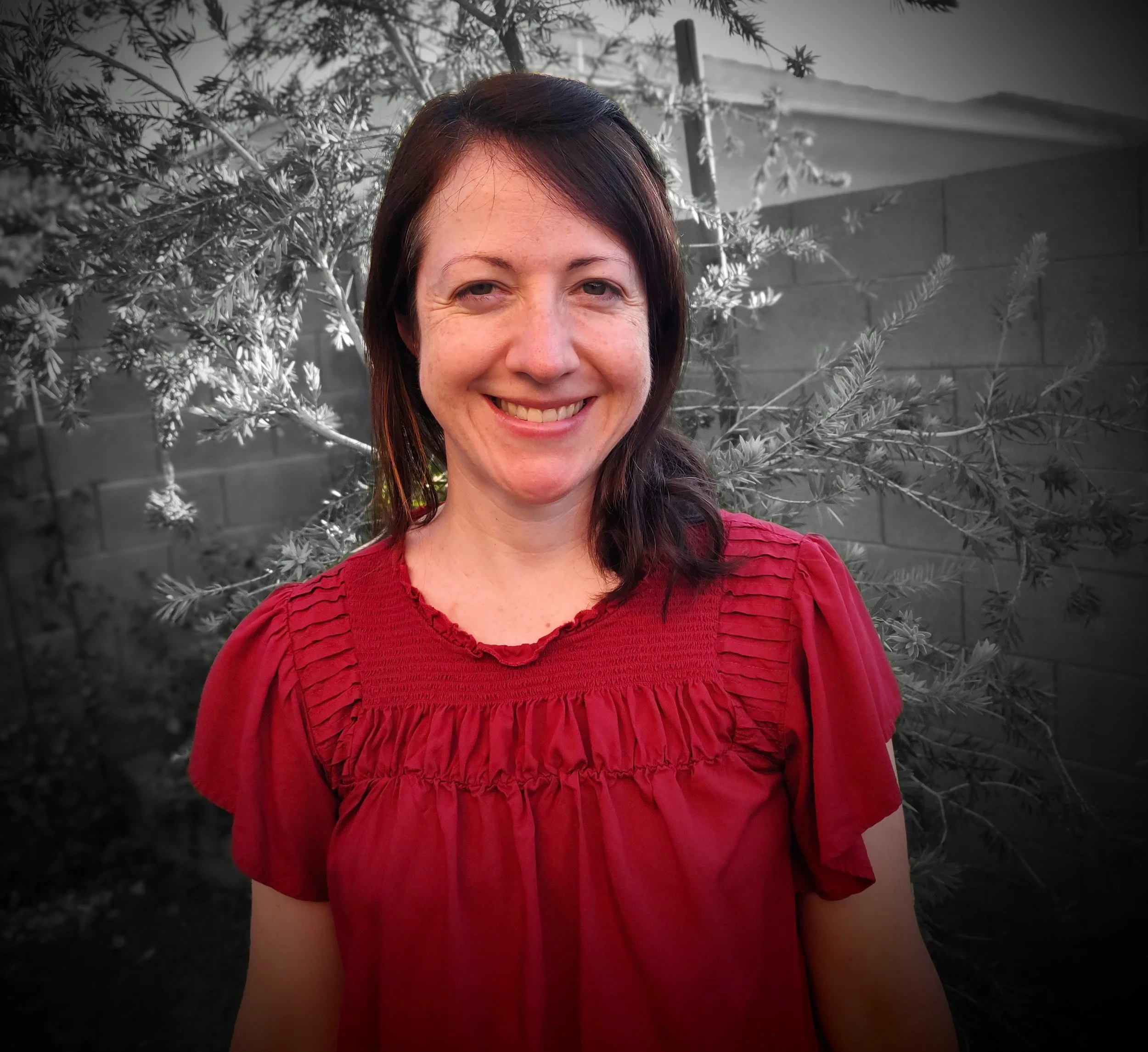
Carla Brooks
BS, Microbiology, Northern Arizona University
I am fascinated by the microbial world and study a particularly interesting bacterium, Sodalis praecaptivus, a free-living relative of the Sodalis-clade of insect symbionts. By infecting an insect host with this bacterium and using live and fixed cell imaging techniques and transcriptomics analysis, my goal is to learn the specific bacteria and host interactions that may lead to an endosymbiotic relationship.
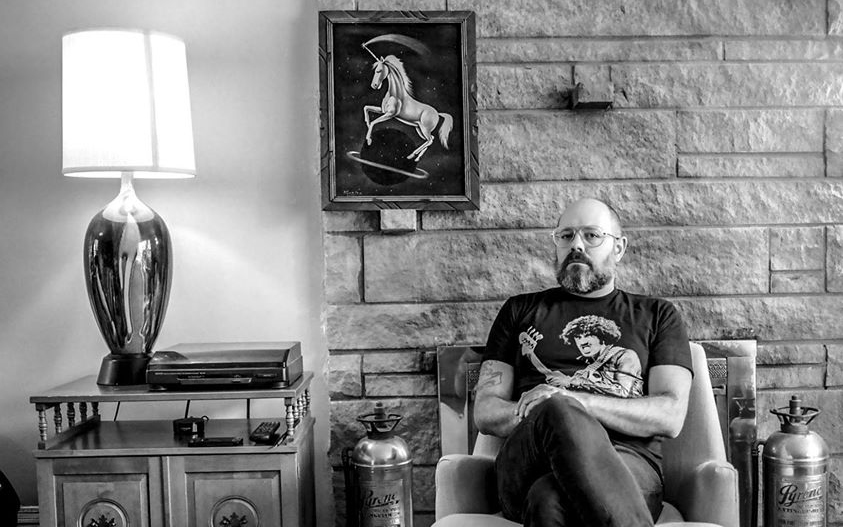
Paul Caccamo
PhD, Microbiology, Indiana University
Paul is the firewall between John and the bureaucracy of scientific research. He also escapes containment sometimes to do bench work, making lots of bacterial mutants and studying how new endosymbioses are established. Paul loves going to movies, the Ottawa Senators (Go Sens Go!), and hanging out with his beautiful partner Jenny, his dog, and three cats.
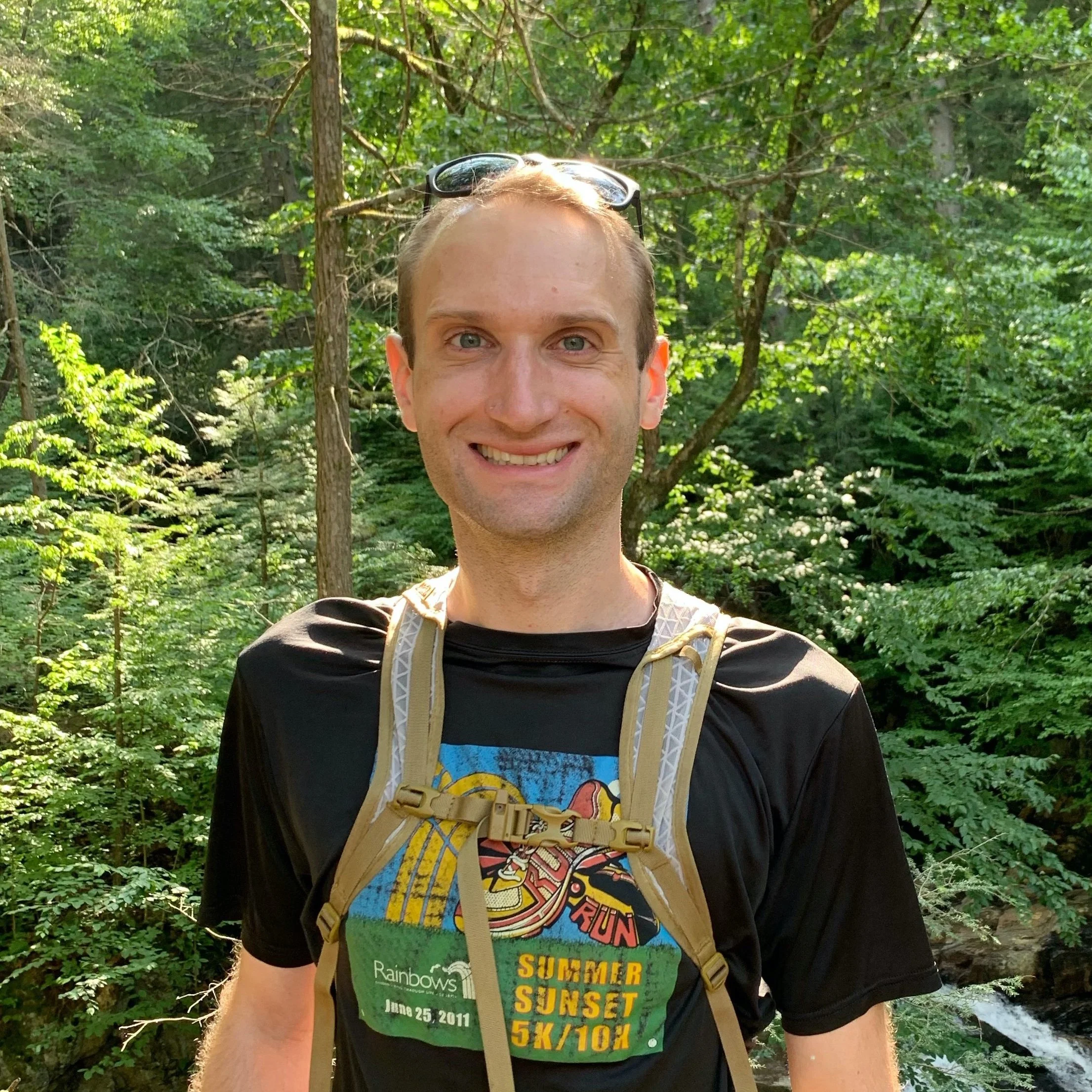
Adam Carte
PhD, Systems, Synthetic & Quantitative Biology, Harvard. Joint with Norbert Perrimon.
Adam is a shared postdoctoral fellow with Norbert Perrimon. He is fascinated by the molecular and cellular biology at the interface of intracellular organisms and their host environments. Using genome-scale screening and Drosophila genetics, he identifies and validates insect host factors governing the intracellular fitness of "model" endosymbiotic bacteria, with ambitions to expand these approaches to bona fide host-endosymbiont systems.
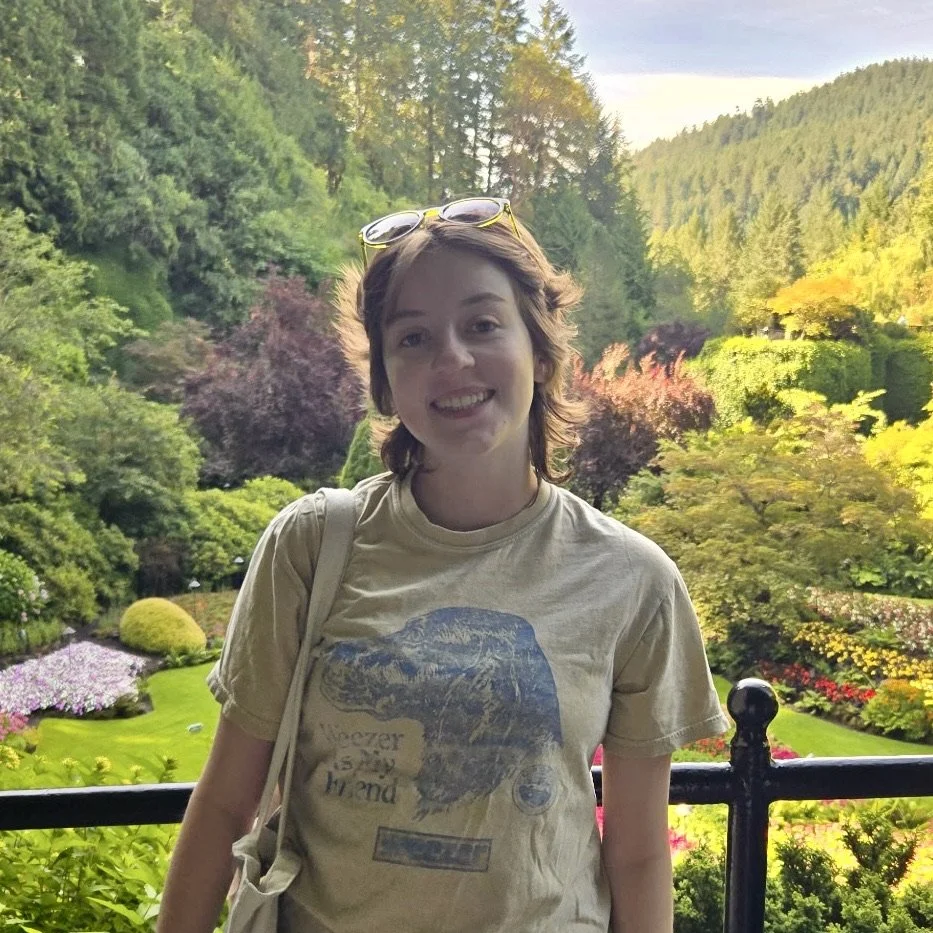
Shailey Kelly
BS, Microbiology (expected 2028)
Shailey is in Germany this summer! She's at the Karlsruhe Institute of Technology in the Diepold Lab of Applied Biosciences.
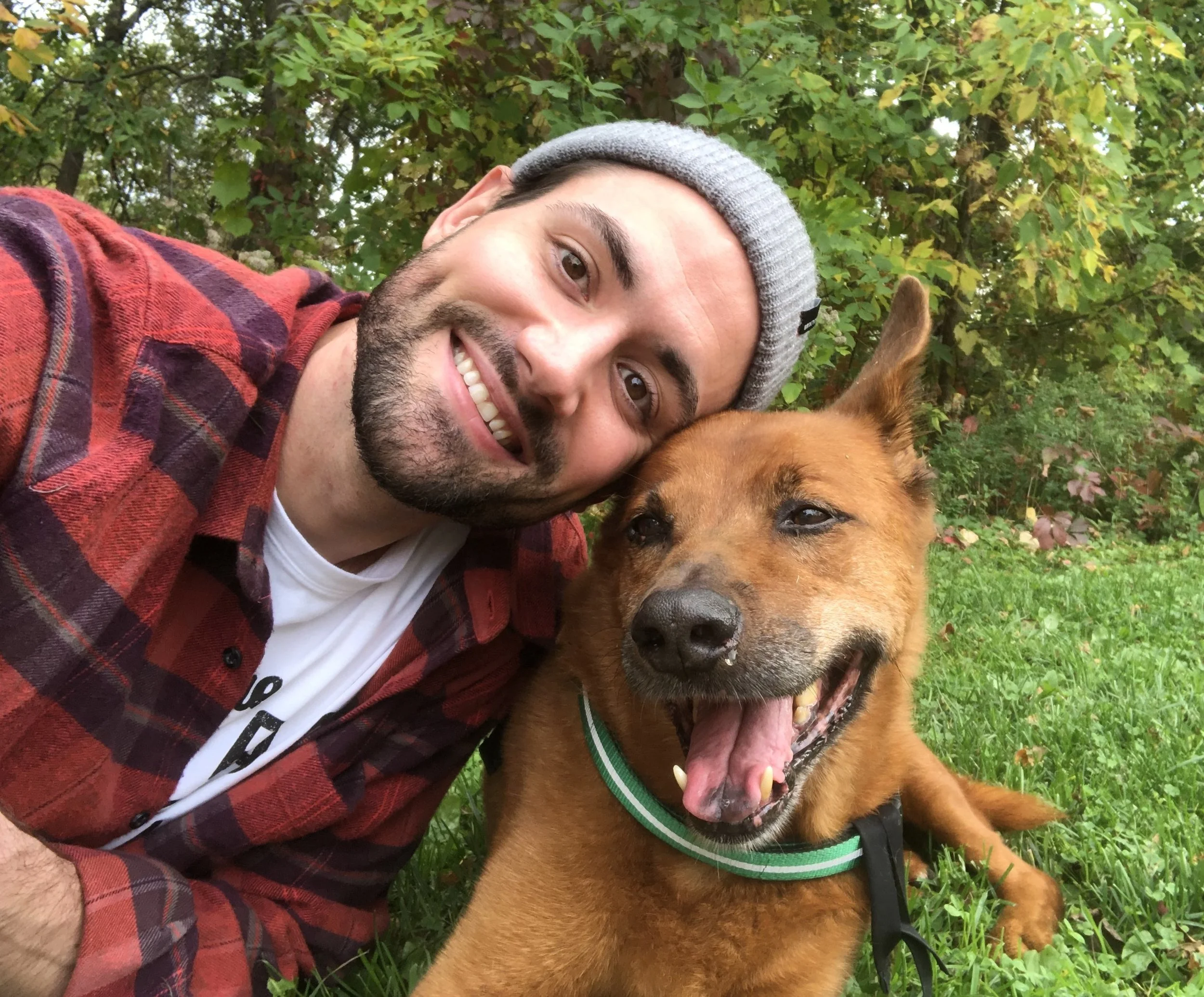
Dalton Leprich
PhD, Earth & Environmental Sciences, University of Minnesota
Dalton is a postdoctoral researcher studying how insect cells interact with their bacterial endosymbionts. He is utilizing multiple imaging platforms to understand how lipids and nutrients exchange in mealybug symbioses. Outside the lab, he enjoys bouldering/rock climbing, and spending as much time as possible with his two dogs.
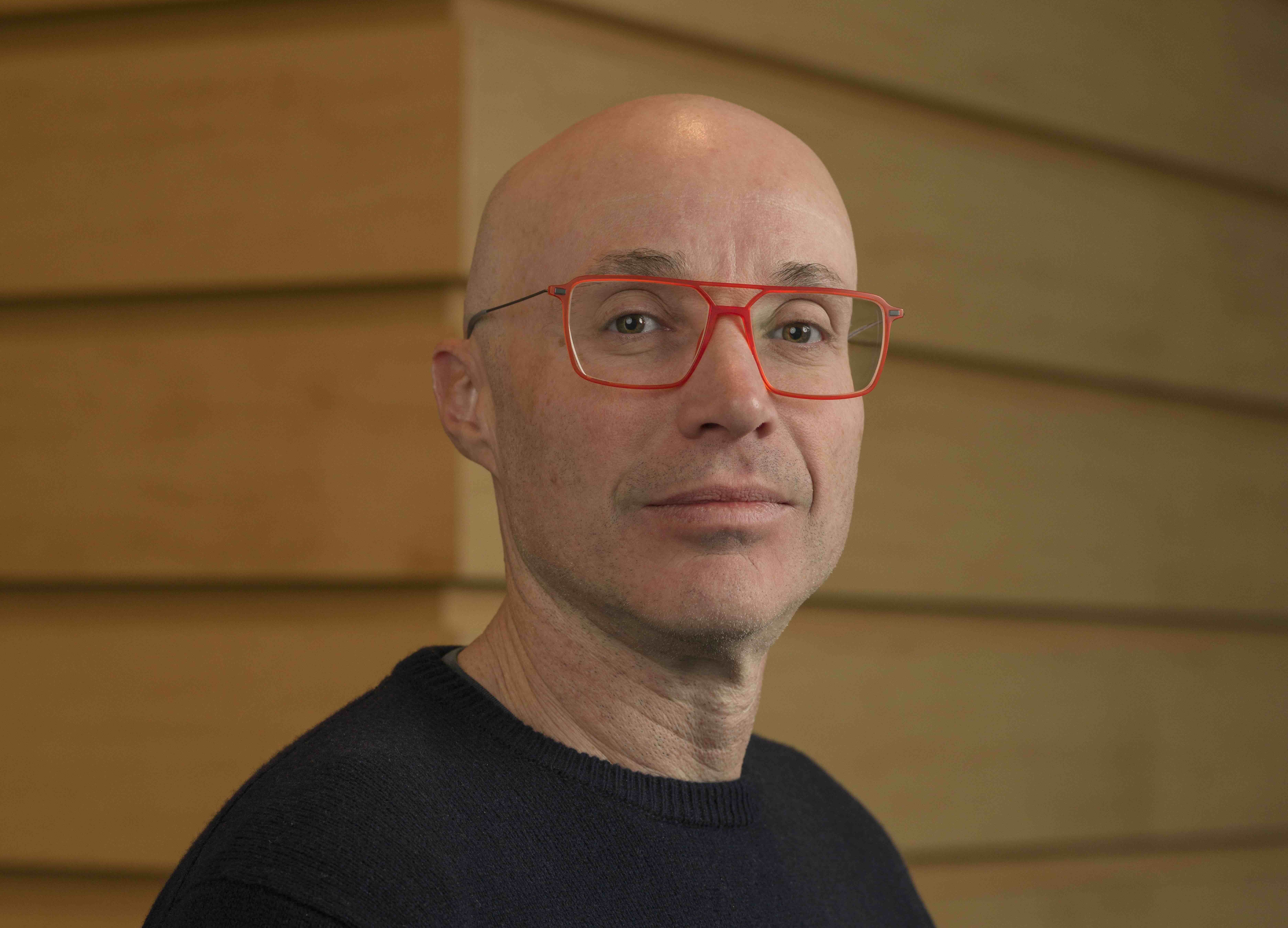
John McCutcheon
HHMI Investigator; Associate Director and Professor, Biodesign Center for Mechanisms of Evolution & School of Life Sciences, ASU
John is interested in how endosymbioses form (and how they sometimes breakdown), how hosts and endosymbionts become integrated with one another at the genetic, biochemical, and cell biological levels, and how the diversity of present-day endosymbioses might teach us something about how the mitochondrion and plastid came to be.
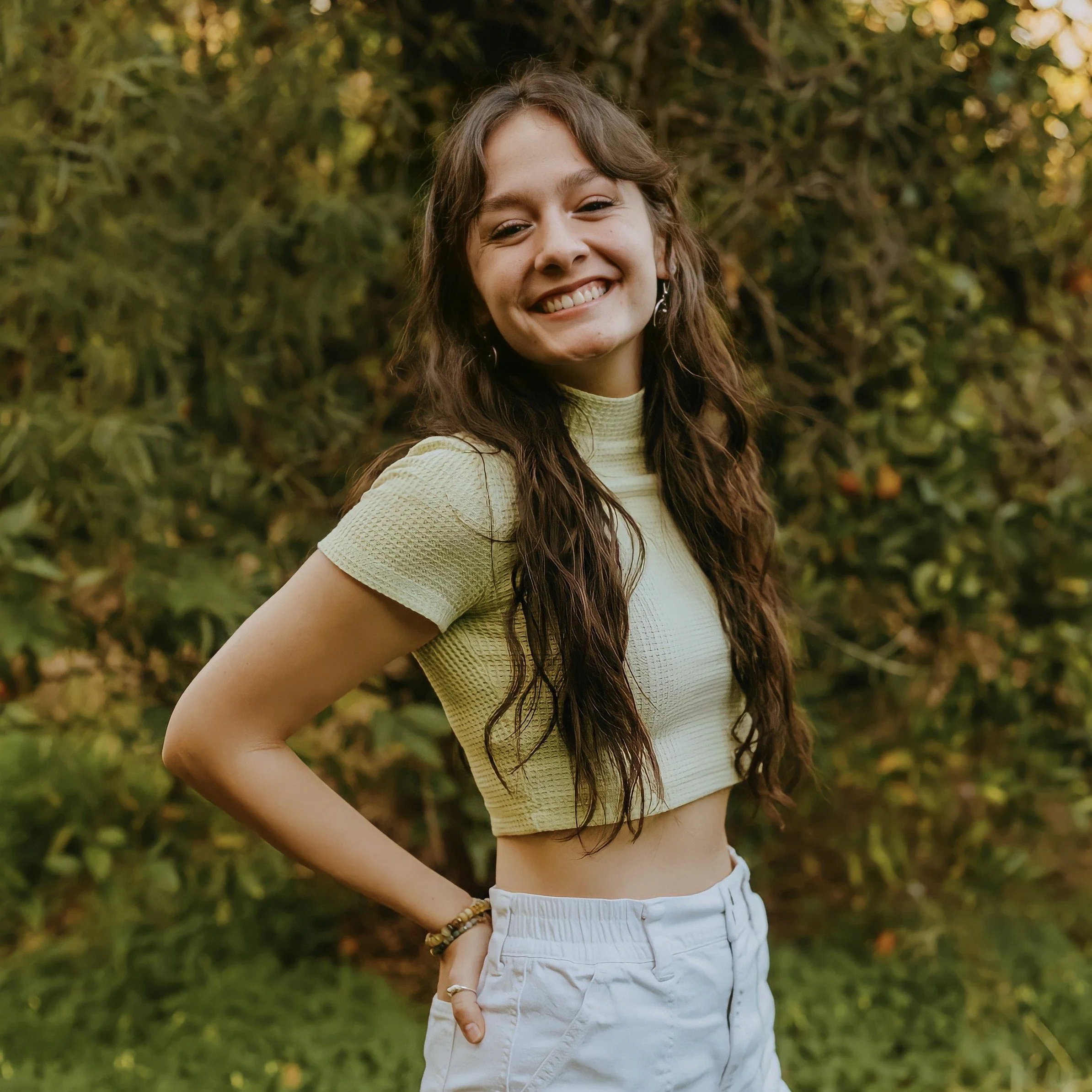
Anistynn Mendez
MS, Molecular and Cellular Biology, ASU
Anistynn is a recently graduated MS student interested in long-term endosymbioses that result in substantial genome degradation. Her thesis employed fluorescent microscopy to visualize the trafficking of transfer RNAs between symbiont partners. Outside of the lab Anistynn still enjoys hanging out with bugs (in nature not in culture), as well as her grandma-like hobbies such as knitting or crafting!
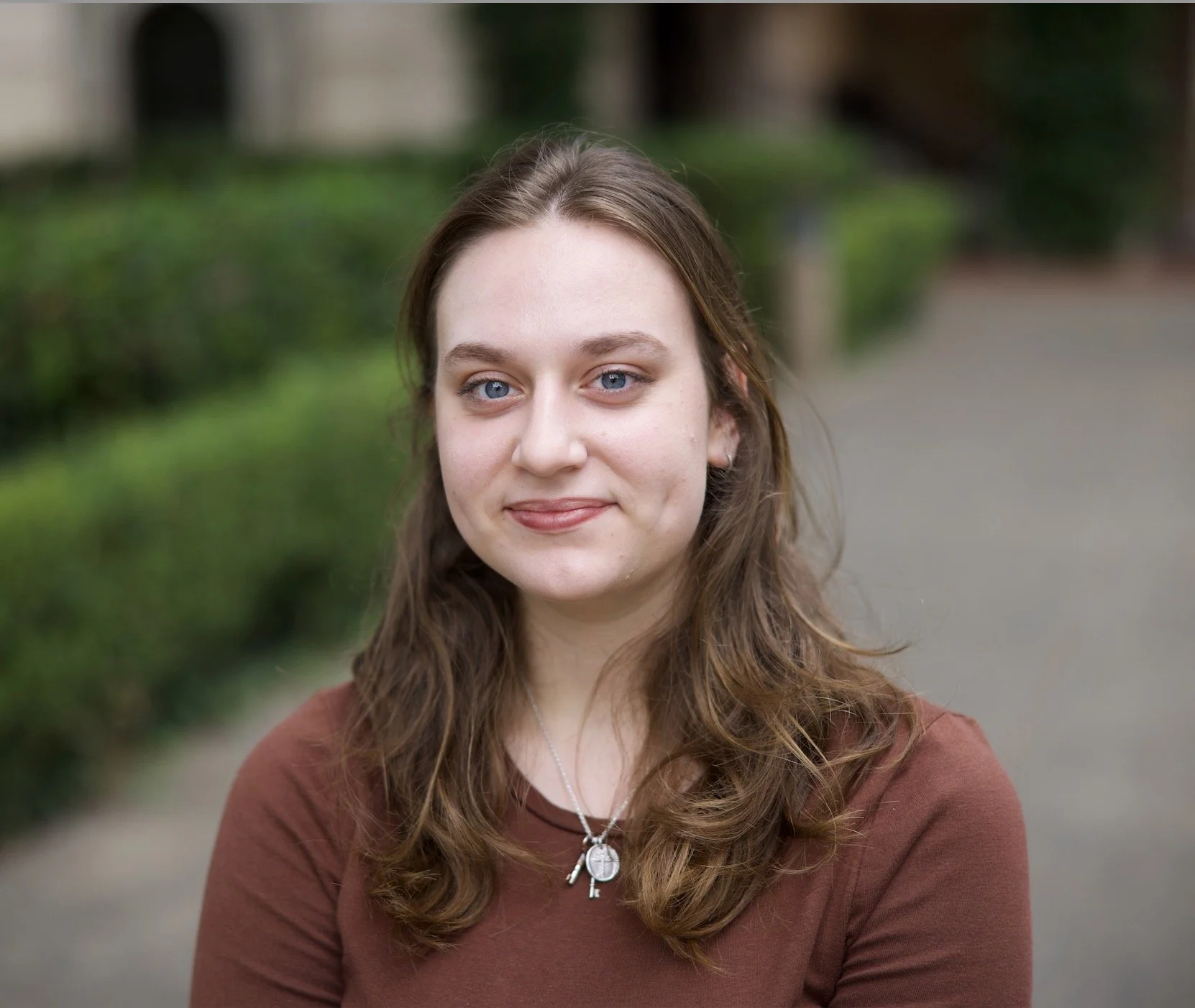
Veronica Muller
BS, Bioengineering, Caltech
I'm interested in the evolutionary pathway between a free-living lifestyle and obligate symbiosis, and the physiological mechanisms that facilitate this transition in certain organisms. I previously studied this phenomenon in myrmecophilous rove beetles, and am currently focusing on the Sodalis clade of insect endosymbionts.
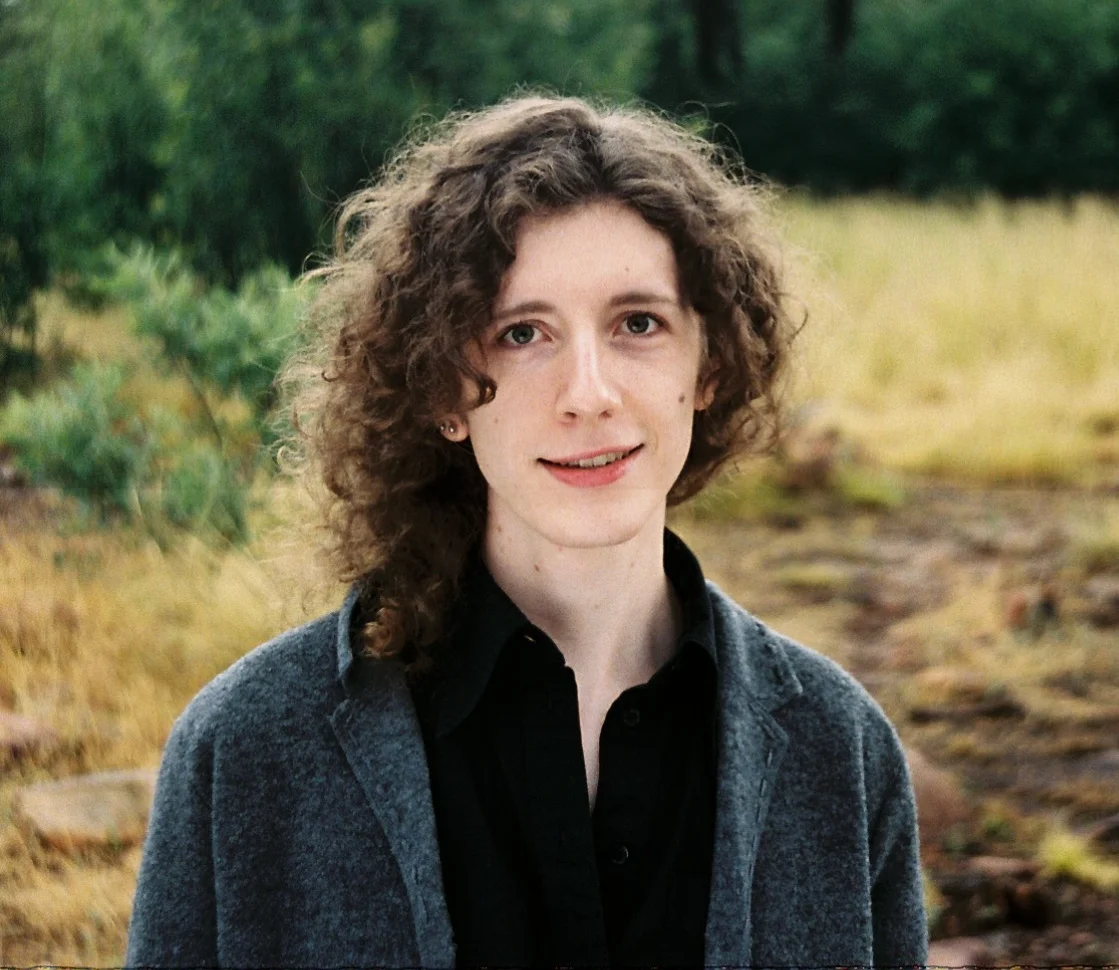
Noa Spencer
NSF GRFP Fellow. BS, Biology, West Virginia University
Noa is an Evolutionary Biology PhD candidate using sequencing and fluorescence microscopy to understand the production and spatial distribution of mRNA, tRNA, and protein in Hodgkinia cicadicola, a cicada endosymbiont whose highly reduced genome is split among a complex assortment of interdependent cell types.
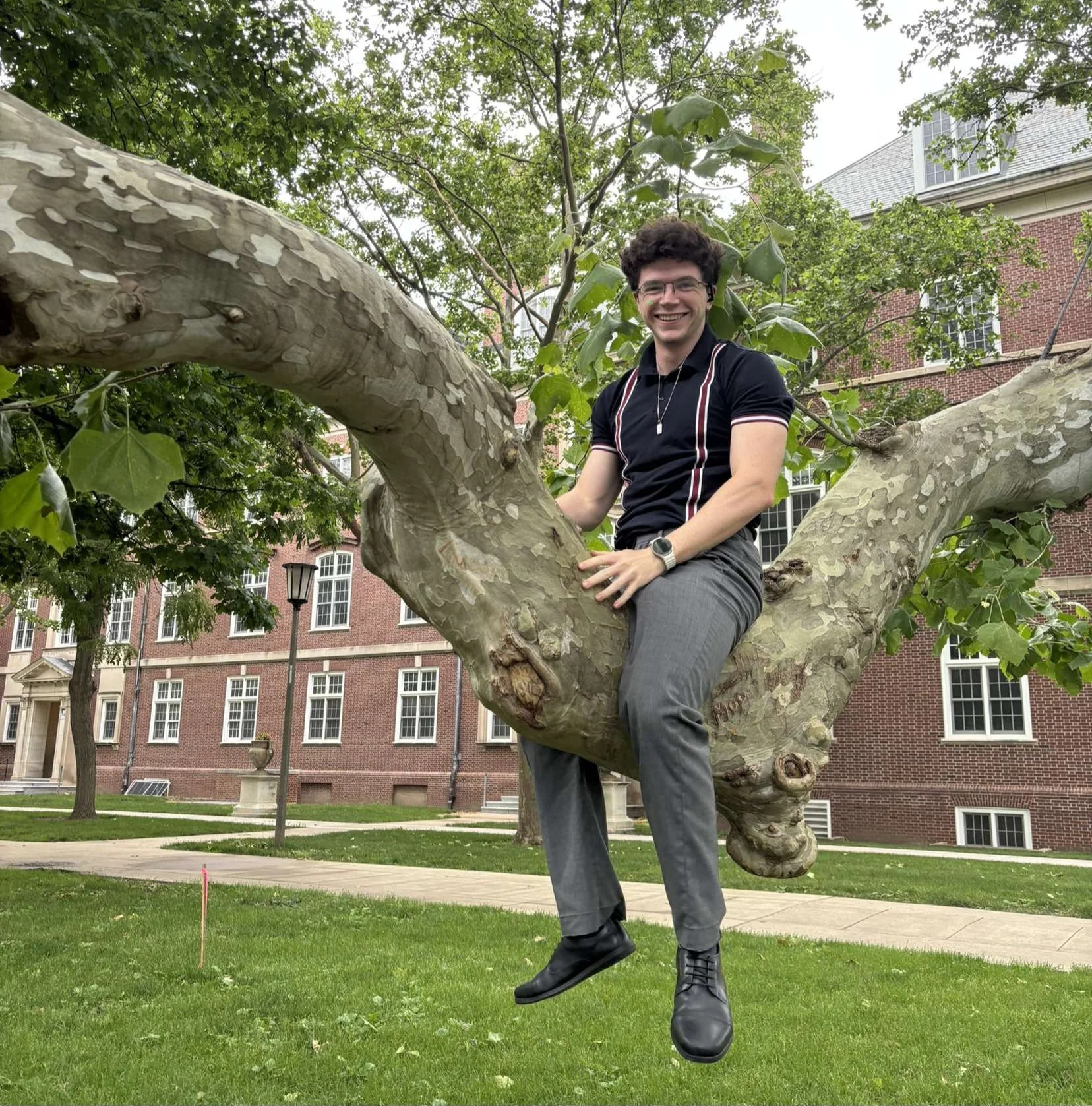
Braeden Sullivan
BS, Microbiology & Biochemistry (expected 2027)
Braeden is an undergraduate interested in microscopy and has a secret love affair with pharmaceutical immunology. When not doing lab upkeep, he uses combined microscopic imaging techniques to identify crucial phospholipid exchange in mealybug symbiosis. His external hobbies include striking sports and amateur bird watching.
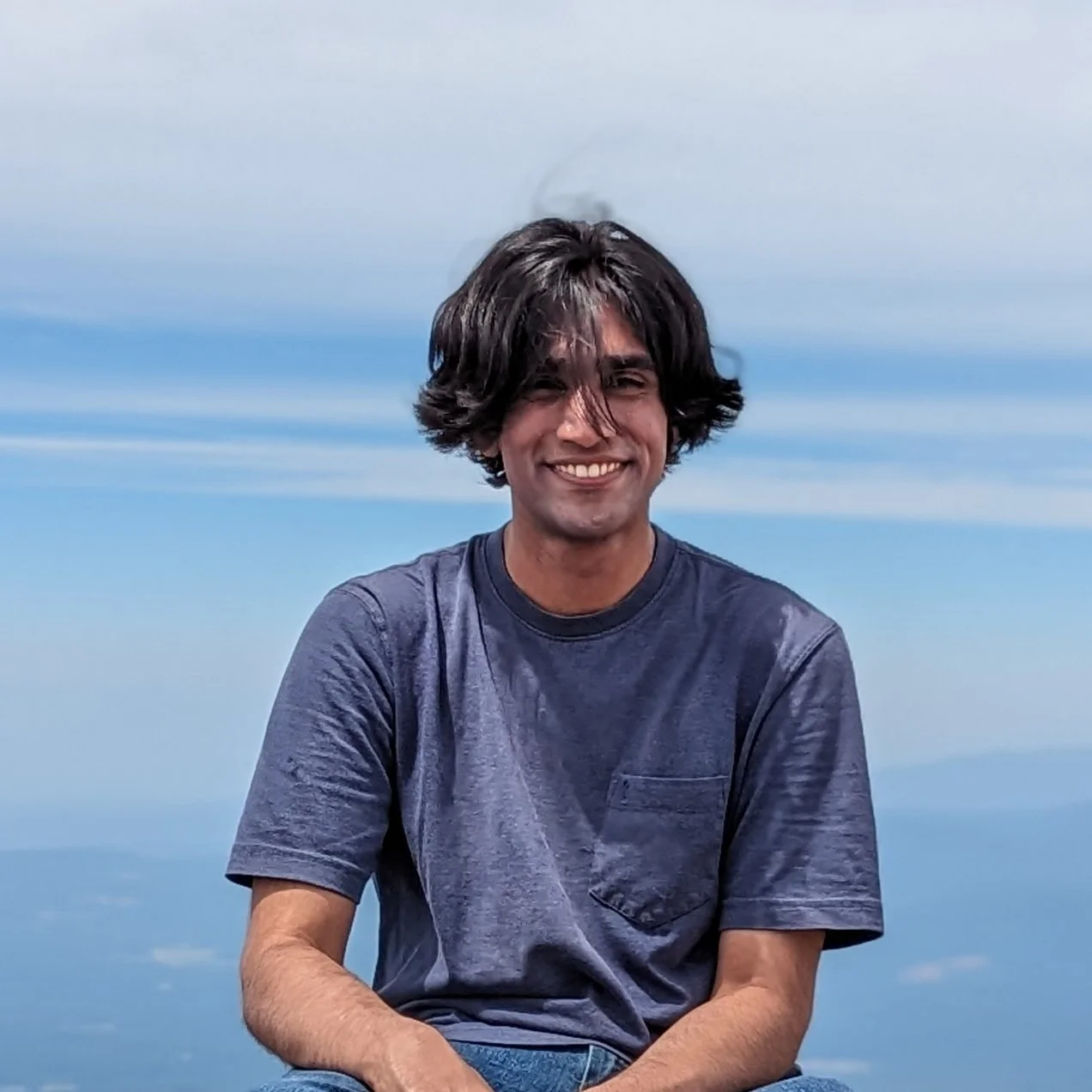
Utsav Tatu
BS, Molecular Biology & Biochemistry, UC Davis
Utsav is a PhD student who is interested in the formation of new endosymbioses. He wants to identify and understand the roles of key players that enable long term, beneficial infections of bacteria in eukaryotes by disrupting gene expression in free living bacteria that are similar to those that tend to form host-beneficial endosymbiotic relationships with their hosts.
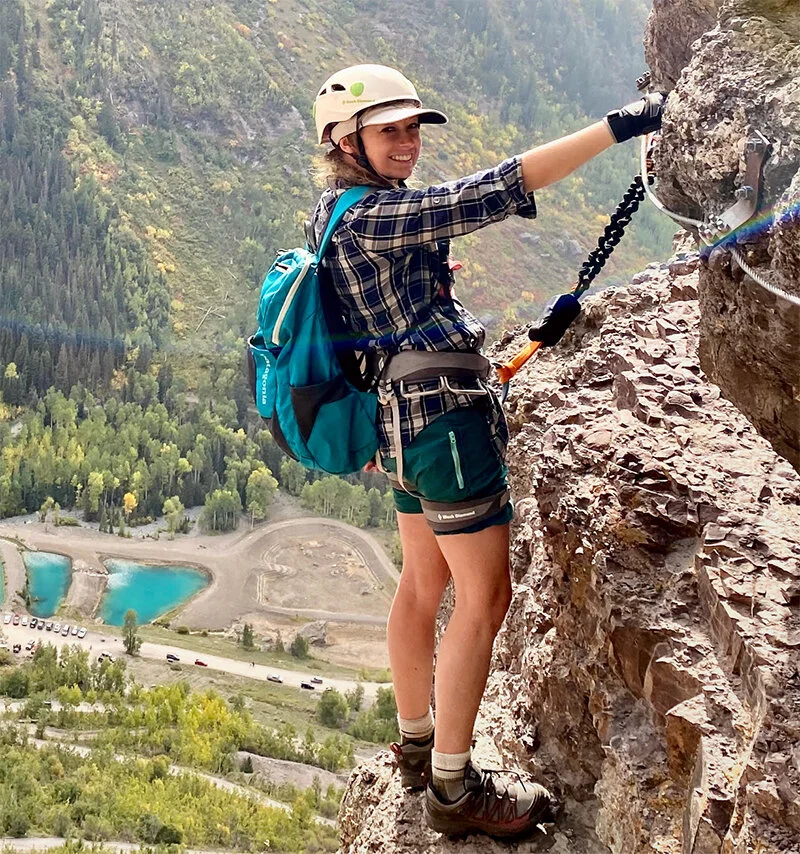
Jess Warren
HHMI Hanna Gray Fellow. PhD, Biological Sciences, Colorado State University
Jess considers endosymbiosis to be one of life’s most interesting narratives. The integration of cells inside of cells adds a beautiful complexity to evolution, and Jess is fascinated by all things related to this intracellular configuration. She is particularly interested in the roles that protein synthesis, cellular trafficking, and horizontal gene transfer play on both new and old endosymbionts. She also has an inordinate fondness for plants, being in water, and dark skies.
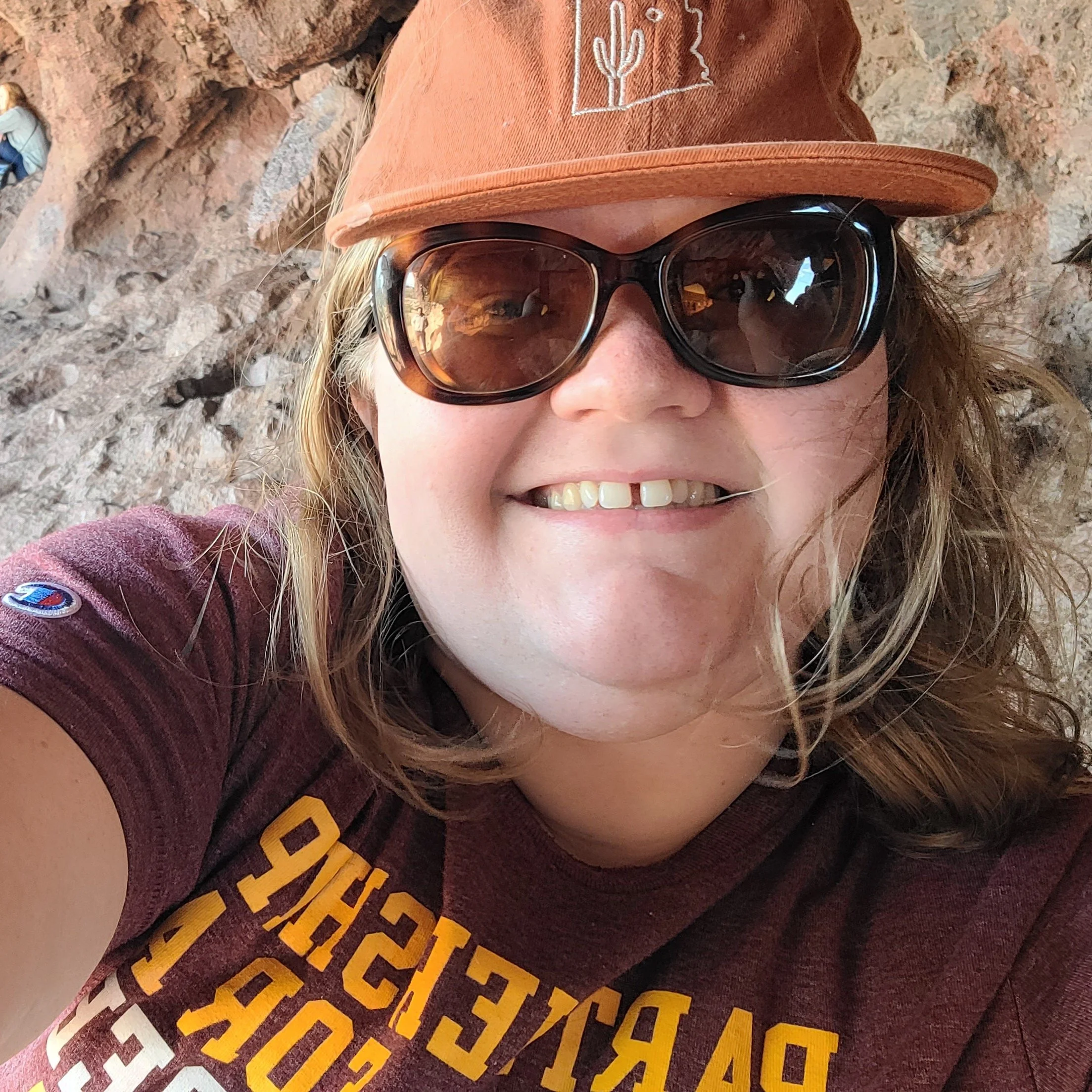
Courtney York
BS, UC Irvine
Courtney is often referred to as the "mealybug mom" of the lab. She is interested in the mechanisms responsible for maintaining long-term endosymbionts in insect hosts, particularly the transmission of symbiont(s) from parent to offspring. She hopes to expand the toolbox for probing the relationship between the citrus mealybug and its nested endosymbionts with techniques such as RNA interference amongst others.
Lab Alumni
- Amanda Abdelsamad (MS student, 2021-2022)
- Amanda Brown (Postdoc, 2011-2013) - Associate Professor, Texas Tech University
- DeAnna Bublitz (Postdoc, 2016-2020) - Scientific Review Officer, NIH
- Matt Campbell (PhD student, 2012-2018) - Scientist, New England Biolabs
- Arkadiy Garber (PhD student, 2020-2025) - Founder and CEO, Middle Author Bioinformatics
- Filip Husník (PhD student, 2012-2017) - Associate Professor, Okinawa Institute of Science and Technology
- Maria Kupper (Postdoc, 2017-2022) - Process Development Scientist, Institute of Molecular Biology, Mainz, Germany
- Piotr Łukasik (Postdoc, 2014-2018) - Associate Professor, Jagiellonian University
- Justus Nwachukwu (Postdoc, 2023-2026)
- Toby Spribille (Postdoc, 2012-2017) - Associate Professor, Canada Research Chair in Symbiosis, University of Alberta
- Stephanie Temnyk (MS student, 2021-2024) - Molecular Biologist, Corteva Agriscience
- Zerrin Üzüm (Postdoc, 2021-2022) - Associate Research Scientist, School of Life Sciences, ASU
- Dan Vanderpool (PhD student, 2013-2018) - Bioinformatics Scientist, USFS Rocky Mountain Research Station
- James Van Leuven (PhD student, 2010-2015) - Assistant Professor, University of Idaho
- Stephanie Ray Weldon (Postdoc, 2015-2017) - Sr. Research Program Manager, Ragon Institute of MGH, MIT and Harvard
- Tim Wheeler (MS student, 2015-2017) - Senior Research Scientist, University of Montana